
Letters of Catherine Benincasa
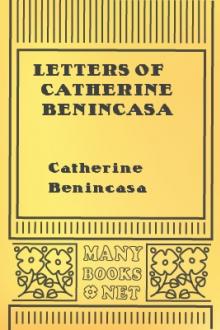
Letters of Catherine Benincasa
Saint Catherine of Siena as Seen in Her Letters
 Free Download
(tr Vida D. Scudder)
Book Excerpt
esire" which
is the earnest of true holiness to be. We find her impatient of mint and
cummin, of over-anxious self-scrutiny. "Strive that your holy desires
increase," she writes to a correspondent; "and let all these other things
alone." "I, Catherine--write to you--with desire": so open all her
letters. Holy Desire! It is not only the watchword of her teaching: it is
also the true key to her personality.
III
We have dwelt on Catherine, the friend and guide of souls; but it is Catherine the mystic, Catherine the friend of God, before whom the ages bend in reverence. The final value of her letters lies in their revelation, not of her dealings with other souls, but of God's dealings with her own.
But in presence of the record of these deep experiences, silence is better than words: is, indeed, for most of us the only possible attitude. The letters that follow must speak for themselves. The clarity of mind which Catherine always preserved, even in moments of highest exaltation, and her loving eagerness
FREE EBOOKS AND DEALS
(view all)





Popular books in Biography


Readers reviews
0.0
LoginSign up
Be the first to review this book
Popular questions
(view all)Books added this week
(view all)


FEATURED AUTHOR - Alice K. Boatwright is the author of the Ellie Kent mysteries, which debuted with Under an English Heaven, winner of the 2016 Mystery and Mayhem Grand Prize for Best Mystery. The series continues with What Child Is This? and In the Life Ever After. Alice has also published other fiction, including Collateral Damage, three linked novellas about the Vietnam War era; Sea, Sky, Islands, a chapbook of stories set in Washington’s San Juan Islands; and Mrs. Potts Finds Thanksgiving, a holiday parable… Read more