
Canada under British Rule 1760-1900
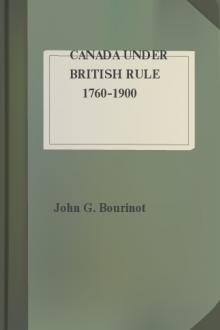
Canada under British Rule 1760-1900
 Free Download
Book Excerpt
ntries they might discover.
Early in May, 1497, John Cabot sailed from Bristol in "The Matthew,"
manned by English sailors. In all probability he was accompanied by
Sebastian, then about 21 years of age, who, in later times, through the
credulity of his friends and his own garrulity and vanity, took that
place in the estimation of the world which his father now rightly fills.
Some time toward the end of June, they made a land-fall on the
north-eastern coast of North America. The actual site of the land-fall
will always be a matter of controversy unless some document is found
among musty archives of Europe to solve the question to the satisfaction
of the disputants, who wax hot over the claims of a point near Cape
Chidley on the coast of Labrador, of Bonavista, on the east shore of
Newfoundland, of Cape North, or some other point, on the island of Cape
Breton. Another expedition left Bristol in 1498, but while it is now
generally believed that Cabot coasted the shores of North America from
Labrador or Cape Bre
FREE EBOOKS AND DEALS
(view all)




Popular books in History





More books by John George Bourinot
(view all)

Readers reviews
0.0
LoginSign up
Be the first to review this book
Popular questions
(view all)Books added this week
(view all)


FEATURED AUTHOR - Alice K. Boatwright is the author of the Ellie Kent mysteries, which debuted with Under an English Heaven, winner of the 2016 Mystery and Mayhem Grand Prize for Best Mystery. The series continues with What Child Is This? and In the Life Ever After. Alice has also published other fiction, including Collateral Damage, three linked novellas about the Vietnam War era; Sea, Sky, Islands, a chapbook of stories set in Washington’s San Juan Islands; and Mrs. Potts Finds Thanksgiving, a holiday parable… Read more