History of the Plague in England
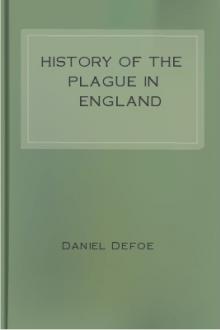
History of the Plague in England
 Free Download
Book Excerpt
nch; but the "Essay on
Dramatic Poesy," "The Battle of the Books," and "Love for Love," are for
the men and women of culture.
* * * * *
The standard Life of Defoe is by William Lee (London, J.C. Hotten, 1869). William Minto, in the "English Men of Letters Series," has an excellent short biography of Defoe. For criticism, the only good estimate I am acquainted with is by Leslie Stephen, in "Hours in a Library, First Series." The nature of the article on Defoe in the "Britannica" may be indicated by noticing that the writer (Saintsbury) seriously compares Defoe with Carlyle as a descriptive writer. It would be consoling to think that this is intended as a joke.
Those who wish to know more about the plague than Defoe tells them should consult Besant's "London," pp. 376-394 (New York, Harpers). Besant refers to two pamphlets, "The Wonderful Year" and "Vox Civitatis," which he thinks Defoe must have used in writing his book.
FOOTNOTES:
[1] At first, a weekly; with the
FREE EBOOKS AND DEALS
(view all)


Popular books in History, Fiction and Literature

More books by Daniel Defoe
(view all)
Readers reviews
5.0
LoginSign up

A book written a long time ago but still makes you feel emotional when you read what the people went through. It is a bit difficult to read, but if you are interested in the plague, it can hold your attention very well.
- Upvote (0)
- Downvote (0)