
Oswald Langdon
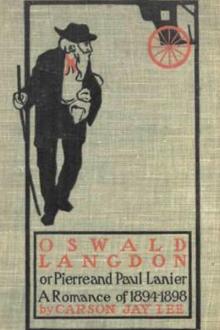
Oswald Langdon
or, Pierre and Paul Lanier. A Romance of 1894-1898
 Free Download
Book Excerpt
for the future, heartily approving of his highest aspirations, that the young man confides unreservedly, and tells it well.
Oswald's father was the younger son of Herbert Langdon, and for many years had been rector of an important parish. His parents had placed Oswald under a tutor, who had prepared him for Oxford. He had finished a course at this institution, and was taking a pleasure trip on horseback when the accident befell him. He now aspires to be a barrister, though until within a few years his secret ambition had been to be a great military leader. He had read of "St. Crispin," "Balaklava," the "Battle of the Nile," "Trafalgar," and "Waterloo," but the military spirit is subservient to that of commerce and diplomacy. With much sage assurance he said:
"Massed armies, long-range ordnance, impregnable forts, steel-armored battle-ships, and deadly, explosive coast marine mines are simply bellicose forms of pacific, neutral notes commanding the 'peace of Europe.' The jealousy of nations will
FREE EBOOKS AND DEALS
(view all)


Popular books in Fiction and Literature



More books by Carson Jay Lee
(view all)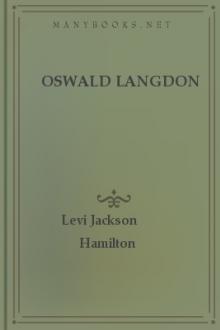
Readers reviews
0.0
LoginSign up
Be the first to review this book
Popular questions
(view all)Books added this week
(view all)

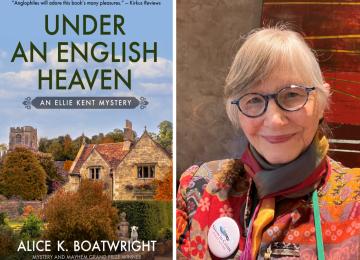
FEATURED AUTHOR - Alice K. Boatwright is the author of the Ellie Kent mysteries, which debuted with Under an English Heaven, winner of the 2016 Mystery and Mayhem Grand Prize for Best Mystery. The series continues with What Child Is This? and In the Life Ever After. Alice has also published other fiction, including Collateral Damage, three linked novellas about the Vietnam War era; Sea, Sky, Islands, a chapbook of stories set in Washington’s San Juan Islands; and Mrs. Potts Finds Thanksgiving, a holiday parable… Read more