A Parody Outline of History
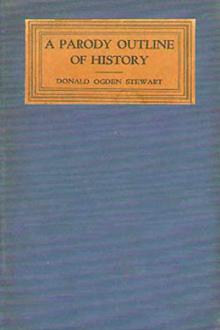
A Parody Outline of History
 Free Download
Wherein may be found a curiously irreverent treatment of American Historical Events, imagining them as they would be narrated by American's most characteristic contemporary authors.
Book Excerpt
shers to pass among you so you may see for yourself that there are no wires or strings attached. While this is being done, ladies and gentlemen, I wish that three of you would step up on the stage. Any three--don't be bashful girls--I won't hurt you. Won't that couple over there kindly oblige me--that married couple--no, folks, I guess they aren't married either--they look too happy."
Very painful it was to Colombo to hear these horrible jokes coming from his mouth, but Thyrston had quoted the authority of all successful sorcerers and not for anything would Colombo have had his trick a failure.
"Now ladies and gentlemen", said Colombo, "I am going to ask this lady and these two gentlemen if they will be so good as to see if they can take this little egg and make it stand on end without any support."
And very droll it was to see the unsuccessful attempts which the three made. Finally Colombo said:
"Now ladies and gentlemen, I want you to watch me closely. I put the silk hat on my he
FREE EBOOKS AND DEALS
(view all)
Popular books in Humor, History, Satire, Fiction and Literature
More books by Donald Ogden Stewart
(view all)
Readers reviews
0.0
LoginSign up
Be the first to review this book