Resurrection
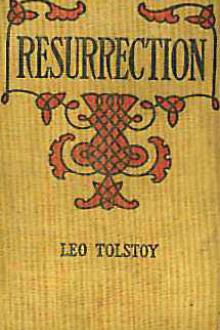
Resurrection
 Free Download
It is a sombre but tremendously powerful novel touching upon many tragedies and problems of life in the Russia of to-day. It shows the genius of "Anna Karenina" blended with a more mature comprehension of human life and character. The "Great Master of the North" has written in "Resurrection" a harrowing yet absorbing story with all his old fervor, and with a deeper and more searching spiritual understanding. The theme is that of a woman's life weighed down and well nigh extinguished by the most terrible misfortunes and tragedies, but finally, through the power of love, resurrected and made new. (Translated by Mrs. Louise Maude.)
Book Excerpt
the young shopman had thrown her up she was getting more and more into the habit of drinking. It was not so much the flavour of wine that tempted her as the fact that it gave her a chance of forgetting the misery she suffered, making her feel more unrestrained and more confident of her own worth, which she was not when quite sober; without wine she felt sad and ashamed. Just at this time a woman came along who offered to place her in one of the largest establishments in the city, explaining all the advantages and benefits of the situation. Katusha had the choice before her of either going into service or accepting this offer--and she chose the latter. Besides, it seemed to her as though, in this way, she could revenge herself on her betrayer and the shopman and all those who had injured her. One of the things that tempted her, and was the cause of her decision, was the woman telling her she might order her own dresses--velvet, silk, satin, low-necked ball dresses, anything she liked. A mental picture of herse
FREE EBOOKS AND DEALS
(view all)










Popular books in Fiction and Literature, Romance







More books by Leo Nikoleyevich Tolstoy
(view all)



Readers reviews
0.0
LoginSign up
Be the first to review this book