
Blackwood's Edinburgh Magazine, Volume 58, No. 359, September 1845
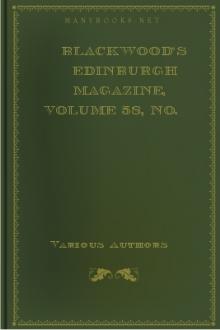
Blackwood's Edinburgh Magazine, Volume 58, No. 359, September 1845
 Free Download
Book Excerpt
the forest." And amidst the selfsame scenes--the same forest-lanes, and brooks, and woods, and waters--with the same happy accompaniments of rustic incidents, occupations, or amusements--did Constable's predecessor, Gainsborough, find his academy.
Very early in Constable's career, he adopted the principle which regulated through life the character of his painting. "There is room enough," he writes, after considering the Exhibition of 1802--"There is room enough for a natural painter. The great vice of the present day is bravura--an attempt to do something beyond the truth. Fashion always had, and always will have, its day; but truth in all things only will last, and can only have just claims on posterity." Here, indeed, he felt, and justly, that there was an opening for him in the school of English landscape. Gainsborough, who had first communicated truth and life to the treatment of the genuine scenery of England, was no more. It is true, the grosser absurdities of the Smiths of Chichester, a
FREE EBOOKS AND DEALS
(view all)
Popular books in Periodical
More books by Various
(view all)
Readers reviews
0.0
LoginSign up
Be the first to review this book
Popular questions
(view all)Books added this week
(view all)
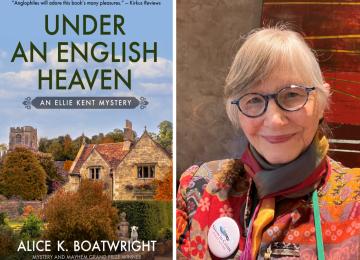
FEATURED AUTHOR - Alice K. Boatwright is the author of the Ellie Kent mysteries, which debuted with Under an English Heaven, winner of the 2016 Mystery and Mayhem Grand Prize for Best Mystery. The series continues with What Child Is This? and In the Life Ever After. Alice has also published other fiction, including Collateral Damage, three linked novellas about the Vietnam War era; Sea, Sky, Islands, a chapbook of stories set in Washington’s San Juan Islands; and Mrs. Potts Finds Thanksgiving, a holiday parable… Read more