The History of the Rise, Progress and Accomplishment of the Abolition of the African Slave-Trade, by the British Parliament (1839)
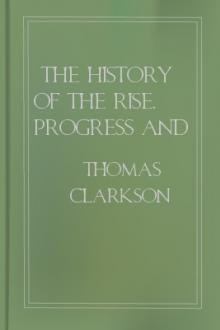
The History of the Rise, Progress and Accomplishment of the Abolition of the African Slave-Trade, by the British Parliament (1839)
 Free Download
Book Excerpt
h as such, it was this of slave-trading. Accordingly, in 1810, Mr. Brougham, then a member of the House of Commons, in moving an address to the crown, (which was unanimously agreed to,) for more vigorous measures against the traffic, both British and Foreign, gave notice of the Bill, which he next year carried through Parliament, and which declared the traffic to be a felony, punishable with transportation. Some years afterwards it was by another Act made capital, under the name of Piracy, but this has since been repealed. Several convictions have taken place under the former Act, (of 1811,) and there cannot be the least doubt that the law has proved effectual, and that the Slave Trade has long ceased to exist as far as the British dominions are concerned.
That foreign states continue shamefully to carry it on, is no less certain. There are yearly transported to Cuba and Brazil, above 100,000 unhappy beings, by the two weakest nations in Europe, and these two most entirely subject to the influence and
FREE EBOOKS AND DEALS
(view all)








Popular books in History, Non-fiction









More books by Thomas Clarkson
(view all)


Readers reviews
0.0
LoginSign up
Be the first to review this book