
The Path of Empire, A Chronicle of the United States as a World Power
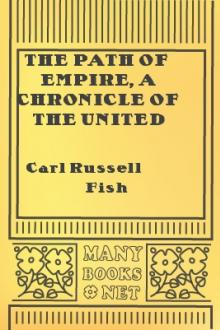
The Path of Empire, A Chronicle of the United States as a World Power
 Free Download
Book Excerpt
he future, sovereigns or their representatives should meet "at
fixed periods" to adjust their own differences and to assist one
another in enforcing the obedience of subjects everywhere. The
rulers were reasonably well satisfied with the world as it was
arranged by the Congress of Vienna in 1815 and determined to set
their faces against any change in the relations of governments to
one another or to their subjects. They regretted, indeed, that
the Government of the United States was built upon the sands of a
popular vote, but they recognized that it was apparently well
established and decently respectable, and therefore worthy of
recognition by the mutual protection society of the Holy
Alliance.
The subjects of these sovereigns, however, did not all share the satisfaction of their masters, and some of them soon showed that much as they desired peace they desired other things even more. The inhabitants of Spanish America, while their imperial mother was in the chaos of Napoleon's wars, had nibbled at the fo
FREE EBOOKS AND DEALS
(view all)










Popular books in History




More books by Carl Russell Fish
(view all)
Readers reviews
0.0
LoginSign up
Be the first to review this book
Popular questions
(view all)Books added this week
(view all)


FEATURED AUTHOR - Art Blegen is the author of “The Adventures of Kris”, a series of early middle-grade chapter books for young readers from six to ten years old. Each child is important, and each family matters to Art. He is an advocate for educating children and their parents to ensure they have a healthy balance of positive examples in their lives. Wholesome stories and a healthy imagination can lay the foundation they will use for the rest of their lives. Whether playing with his grandchildren or coaching… Read more