
The White Peril in the Far East
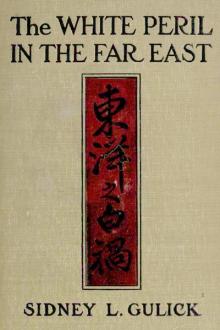
The White Peril in the Far East
An Interpretation of the Significance of the Russo-Japanese War
 Free Download
On the 8th of February, 1904, Japan crossed swords with a European people. And from the destruction of the Variag on that day until the fall of Port Arthur on the ist of January, 1905, nothing but failure has been Russia's fate, nothing but success Japan's fortune. For the first time in history has an Asiatic people successfully faced a white foe. The Russo-Japanese war marks an era, therefore, in the history of the Far East, and of the world, for now begins a readjustment of the balance of power among the nations, a readjustment which promises to halt the territorial expansion of white races and to check their racial pride.
Book Excerpt
ough the Tokugawa Shogunate promptly recognized the dangerous situation of the nation vis-a-vis with the nations of Europe, and in due time ratified one treaty after another with those dreaded peoples, admitting them to live and trade in a few specified "treaty ports," the nation itself did not apparently appreciate the situation nor accept the solution. This, with other causes, led at last to the civil war and the overthrow of the Shogunate, known in Japan as "Go-ishin" (1867), and resulted in the abolishment of the dual system of government and the establishment of the Emperor upon the throne with actual as well as nominal authority.
When, however, the Emperor assumed direct control of atfairs, and studied the problems of international relations, he, too, with his councillors, discovered that Japan could not by any possible means resist the white man and hold herself aloof as formerly from the western world. The white man, with power which seemed supernatural, was already established in the treaty
FREE EBOOKS AND DEALS
(view all)













Popular books in History, Politics







More books by Sidney L. Gulick
(view all)

Readers reviews
0.0
LoginSign up
Be the first to review this book
Popular questions
(view all)Books added this week
(view all)


FEATURED AUTHOR - Art Blegen is the author of “The Adventures of Kris”, a series of early middle-grade chapter books for young readers from six to ten years old. Each child is important, and each family matters to Art. He is an advocate for educating children and their parents to ensure they have a healthy balance of positive examples in their lives. Wholesome stories and a healthy imagination can lay the foundation they will use for the rest of their lives. Whether playing with his grandchildren or coaching… Read more