
Dope
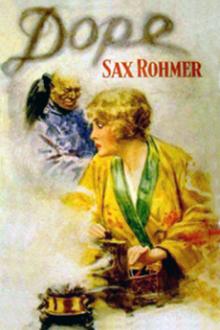
Dope
 Free Download
Sax Rohmer's most popular novel, and generally voted a better story than any of the Fu-Manchu books, has taxed the vocabularies of all the reviewers in the country to find the right word to describe its thrilling appeal.
Book Excerpt
ucien Pyne and was admitted."
"Well?"
"Twenty minutes later came out. Lady was with Sir Lucien. Both walked around to old Bond Street. The Honorable Quentin Gray--"
"Ah!" breathed Irvin.
"--Overtook them there. He got out of a cab. He joined them. All three up to apartments of a professional crystal-gazer styling himself Kazmah 'the dream-reader.'"
A puzzled expression began to steal over the face of Monte Irvin. At the sound of the telephone bell he had paled somewhat. Now he began to recover his habitual florid coloring.
"Go on," he directed, for the speaker had paused.
"Seven to ten minutes later," resumed the nasal voice, "Mr. Gray came down. He hailed a passing cab, but man refused to stop. Mr. Gray seemed to be very irritable."
The fact that the invisible speaker was reading from a notebook he betrayed by his monotonous intonation and abbreviated sentences, which resembled those of a constable giving evidence in a police court.
"He walked of
FREE EBOOKS AND DEALS
(view all)
Popular books in Mystery/Detective, Thriller
More books by Sax Rohmer
(view all)
Readers reviews
3.8
LoginSign up

People today a way to anal-retentive! All this politically correct stuff. Hey, breathe through your nose and enjoy!
- Upvote (0)
- Downvote (0)
Interesting story about illegal drug trade, murder, and kidnapping in London. The book is fascinating at times, but contains many long runs of filler in the form of rambling, excessive descriptions. Recommended, but could have been better with some editing.
11/29/2011
A great novel,vivid characterization,lovely twists and turns,a rip roaring read,and for all of you who are so concerned about racial stereotypes etc.,I will expand on a comment prior to mine-this is the way it was,really! A chinese guy was spoken to in broken english,so he learned broken english,etc etc,why let your own highly offendable nature ruin the enjoyment of a good tale? Stop analysing and enjoy!
06/07/2011
While many people automatically disparage Sax Rohmer for his rather racist outlook, especially regarding Jews, the fact remains that this is a first-class mystery story. Who is the mysterious Kazmah? Who is really cornering the illegal drug trade in London?
With truly unforgettable villains like the evil Mrs. Sin and the inscrutable Sin Sin Wa; and with great characters like the indomitable Inspector Kerry and the ever-wily Seton Pasha, this is a non-stop romp through the dark and seedy underworld of early twentieth-century London.
I think this is Sax Rohmer's best story, and is much more interesting than his much-touted Fu Manchu yarns. I would highly recommend this book.. . . And lighten up folks. The politically-correct mores of today's snobbish intellectuals were completely foreign to people who lived 100 years ago. This is the way it was, and it was usually a lot more exciting than our dopey era. (Pun intended.)
With truly unforgettable villains like the evil Mrs. Sin and the inscrutable Sin Sin Wa; and with great characters like the indomitable Inspector Kerry and the ever-wily Seton Pasha, this is a non-stop romp through the dark and seedy underworld of early twentieth-century London.
I think this is Sax Rohmer's best story, and is much more interesting than his much-touted Fu Manchu yarns. I would highly recommend this book.. . . And lighten up folks. The politically-correct mores of today's snobbish intellectuals were completely foreign to people who lived 100 years ago. This is the way it was, and it was usually a lot more exciting than our dopey era. (Pun intended.)
05/31/2011
A book that would not be enjoyed by an intelligent modern reader.
03/13/2009
A most enjoyable "ripping yarn" of drug addiction amongst the upper-classes in London, marred somewhat by the most ludicrous racial stereotypes.
02/28/2009
Popular questions
(view all)Books added this week
(view all)
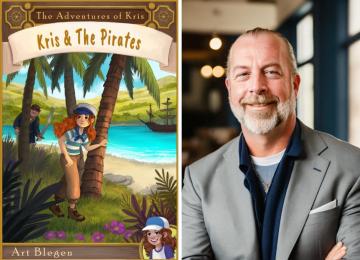
FEATURED AUTHOR - Art Blegen is the author of “The Adventures of Kris”, a series of early middle-grade chapter books for young readers from six to ten years old. Each child is important, and each family matters to Art. He is an advocate for educating children and their parents to ensure they have a healthy balance of positive examples in their lives. Wholesome stories and a healthy imagination can lay the foundation they will use for the rest of their lives. Whether playing with his grandchildren or coaching… Read more