
Poems
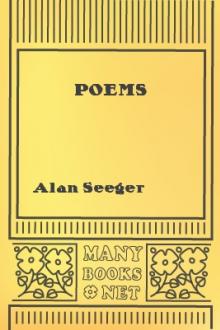
Poems
 Free Download
Book Excerpt
hile he is the disciple of many, he is the vassal of none.
His matter is always his own, the fruit of personal vision, experience,
imagination, even if he may now and then unconsciously pour it into a mould
provided by another. He is no mere echo of the rhythms of this poet,
or mimic of that other's attitude and outlook. The great zest of living
which inspires him is far too real and intense to clothe itself
in the trappings of any alien individuality. He is too straightforward
to be even dramatic. It is not his instinct to put on a mask,
even for purposes of artistic personation, and much less of affectation.
If ever there was a being who said "Yea" to life, accepted it as a glorious gift, and was determined to live it with all his might, it was Alan Seeger. Such a frame of mind is too instinctive and temperamental to be called optimism. It is not the result of a balancing of good and ill, and a reasoned decision that good preponderates. Rather it is a direct perception, an intuition, of the beauty
FREE EBOOKS AND DEALS
(view all)










Popular books in Poetry

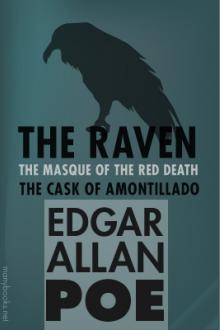
The Raven / The Masque of the Red Death / The Cask of Amontillado
by Edgar Allan Poe
Download
Read more
Readers reviews
0.0
LoginSign up
Be the first to review this book
Popular questions
(view all)Books added this week
(view all)



FEATURED AUTHOR - Catalina Du Bois resides in the southwestern United States, where she finds inspiration from the enchanting landscapes of the desert. With a penchant for motorcycles, camping trips, and crafting romantic mysteries, Catalina is known for her candid and unfiltered writing style. Despite her reluctance to tout awards and accolades, Catalina's love for storytelling shines through in her works.