The Best British Short Stories of 1922
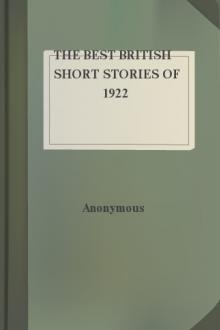
The Best British Short Stories of 1922
 Free Download
Book Excerpt
WHERE WAS WYCH STREET? By Stacy Aumonier (From The Strand Magazine and The Saturday Evening Post)
THE LOOKING-GLASS. By J.D. Beresford (From The Cornhill Magazine)
THE OLIVE. By Algernon Blackwood (From Pearson's Magazine, London)
ONCE A HERO. By Harold Brighouse (From Pan)
"THE PENSIONER." By William Caine (From The Graphic)
BROADSHEET BALLAD. By A.E. Coppard (From The Dial)
THE CHRISTMAS PRESENT. By Richmal Crompton (From Truth)
SEATON'S AUNT. By Walter de la Mare (From The London Mercury)
THE REAPER. By Dorothy Easton (From The English Review)
THE SONG. By May Edginton (From Lloyd's Story Magazine)
A HEDONIST. By John Galsworthy (From Pears' Annual, 1921 and The Century Magazine)
THE BAT AND BELFRY INN. By Alan Graham (From The Story-Teller)
THE LIE. By Holloway Horn (From The Blue Magazine)
A GIRL IN IT. By Rowland Kenney (From The New Age)
THE BACKSTAIRS OF THE MIND. By Rosamond Langbridge (From The Manchester Guardian)
THE BIRTH OF A MASTERPIECE. By Lucas Malet (From The Story-Teller)
"GENIUS." By Elinor Mordaunt (From Hutchinson's Magazine and The Century Magazine)
THE DEVIL TO PAY. By Max Pemberton (From The Story-Teller)
EMPTY ARMS. By Roland Pertwee (From The Ladies' Home Journal)
LENA WRACE. By May Sinclair (From The Dial)
THE DICE THROWER. By Sidney Southgate (From Colour)
THE STRANGER WOMAN. By G.B. Stern (From John o'London's Weekly)
THE WOMAN WHO SAT STILL. By Parry Truscott (From Colour)
MAJOR WILBRAHAM. By Hugh Walpole (From The Chicago Tribune)
FREE EBOOKS AND DEALS
(view all)





Popular books in Short Story Collection, Short Story, Fiction and Literature

Readers reviews
0.0
LoginSign up
Be the first to review this book