
The Industries of Animals
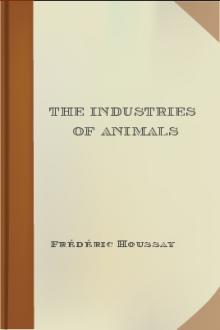
The Industries of Animals
 Free Download
Book Excerpt
ustry of Man. Having become more skilful, he obtained in an expedition more game than he could consume at once; he then kept near him living beasts in order to sacrifice them when hunger came. His reserve of animals increased; they became accustomed to live near him; and he took care of his larder. A flock was gradually constituted, and the owner learnt to profit from all the resources which it offered him, from milk to wool. Henceforth he became economical with his beasts, and moved about in order to procure for them abundance of grass and water. He was still always hunting and fighting; but there were now accessory industries, and he was especially occupied in the domestication of animals. Then it happened that he acquired a taste for a graminaceous grain--corn. To seek the blades one by one is not a very fruitful labour, and decidedly troublesome. Man collected a supply of them, cultivated them, possessed fields which he sowed and harvested. He was henceforth obliged to renounce his herds, which had become
FREE EBOOKS AND DEALS
(view all)







Popular books in Science, Nature, Short Story Collection, Non-fiction





Readers reviews
0.0
LoginSign up
Be the first to review this book
Popular questions
(view all)Books added this week
(view all)

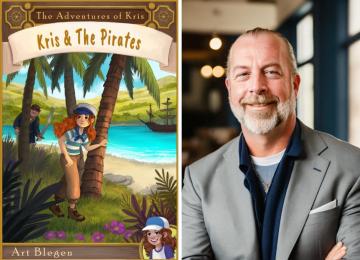
FEATURED AUTHOR - Art Blegen is the author of “The Adventures of Kris”, a series of early middle-grade chapter books for young readers from six to ten years old. Each child is important, and each family matters to Art. He is an advocate for educating children and their parents to ensure they have a healthy balance of positive examples in their lives. Wholesome stories and a healthy imagination can lay the foundation they will use for the rest of their lives. Whether playing with his grandchildren or coaching… Read more