The Murders in the Rue Morgue
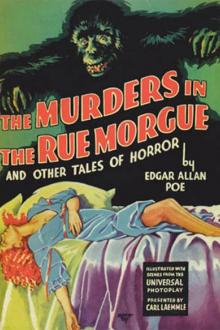
The Murders in the Rue Morgue
 Free Download
C. Auguste Dupin is a man in Paris who solves the mysterious brutal murder of two women. Numerous witnesses heard a suspect, though no one agrees on what language was spoken. At the murder scene, Dupin finds a hair that does not appear to be human.
Book Excerpt
I certainly expected that you would do so. You did look up; and I was now assured that I had correctly followed your steps. But in that bitter tirade upon Chantilly, which appeared in yesterday's 'Musée,' the satirist, making some disgraceful allusions to the cobbler s change of name upon assuming the buskin, quoted a Latin line about which we have often conversed. I mean the line
Perdidit antiquum litera sonum.
I had told you that this was in reference to Orion, formerly written Urion; and, from certain pungencies connected with this explanation, I was aware that you could not have forgotten it. It was clear, therefore, that you would not fail to combine the two ideas of Orion and Chantilly. That you did combine them I saw by the character of the smile which passed over your lips. You thought of the poor cobbler's immolation. So far, you had been stooping in your gait; but now I saw you draw yourself up to your full height. I was then sure that you reflected upon the di
FREE EBOOKS AND DEALS
(view all)


JJ Richards
$0.99
$3.99







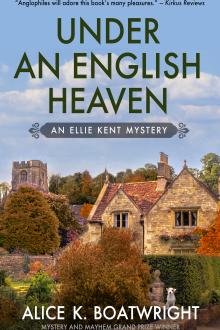
Popular books in Mystery/Detective, Short Story
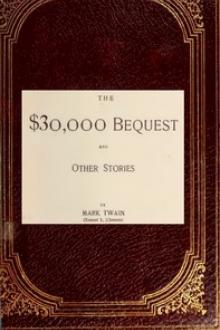
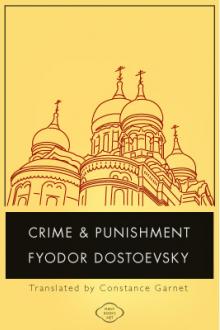
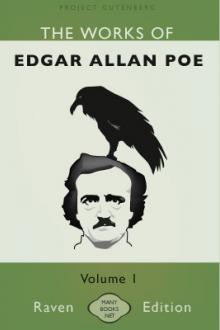
More books by Edgar Allan Poe
(view all)
The Raven / The Masque of the Red Death / The Cask of Amontillado
by Edgar Allan Poe
Download
Read more

Readers reviews
5.0
LoginSign up

"The Murders in the Rue Morgue" is one of three fictional stories in the genre of Crime Detection (Police Science) staging the fictional detective Monsieur Auguste Dupin, created by the genius of Edgar Allan Poe. The other two stories are "The Purloined Letter" and "The Mystery of Marie Roget". The latter story was inspired on the real murder (not fiction) of Mary Rogers, whose body was found in the River Hudson between New York and New Jersey (although the Marie Roget of Poe's fiction is assassinated in Paris). There are other precursors of crime fiction as well as of real-life journalism on the subject of crime, but Monsieur Auguste Dupin of Edgar Allan Poe is THE VERY FIRST APPEARANCE in world-wide literature of the figure of the clue-collecting, deductive-reasoning detective, who inspired the also fictional detectives Monsieur Lecoq of Emile Gaboriau and Mister Sherlock Holmes of Sir Arthur Conan Doyle. These three stories written by Poe are thus a necessary reading for lovers of this kind of narrative.
- Upvote (1)
- Downvote (0)
Ingenious.
01/19/2012
It's only a short story, but it is a true classic of detective fiction, and a clear precursor to Sherlock Holmes. Well worthwhile!
12/13/2011