
Mauprat
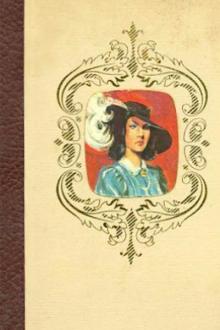
Mauprat
 Free Download
Translated by Stanley Young, with a brief life of George Sand by Pearl Mary-Teresa Craigie and Edmund Gosse.
Book Excerpt
ential temperament and the dominant chord which depend on life only. Where she falls short of the very greatest masters is in this all but deliberate confusion of things which must change or can be changed with things which are unchangeable, incurable, and permanent. Shakespeare, it is true, makes all his villains talk poetry, but it is the poetry which a villain, were he a poet, would inevitably write. George Sand glorifies every mind with her own peculiar fire and tears. The fire is, fortunately, so much stronger than the tears that her passion never degenerates into the maudlin. All the same, she makes too universal a use of her own strongest gifts, and this is why she cannot be said to excel as a portrait painter. One merit, however, is certain: if her earliest writings were dangerous, it was because of her wonderful power of idealization, not because she filled her pages with the revolting and epicene sensuality of the new Italian, French, and English schools. Intellectual viciousness was not her failing
FREE EBOOKS AND DEALS
(view all)

Popular books in Romance, Fiction and Literature

More books by George Sand
(view all)

Readers reviews
4.5
LoginSign up

There is something about this writer which is reminiscent of Balzac and indeed Balzac did base his character Camille Maupin on George Sand. Certainly Mauprat is one of the best French novels of the early 19th century, and despite this being the only one of Sand's books available on this website, it certainly does speak volumes for the breadth of mind of the author who has accurately depicted the anguish and the confusion of the main character and the passionate, even mediaeval love that eventually succeeds in changing his nature.
- Upvote (0)
- Downvote (0)
Beautiful love story! Mauprat is a young outlaw but the love for her cousin will change him! But her?
07/28/2011
Popular questions
(view all)Books added this week
(view all)
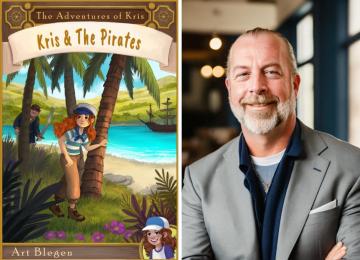
FEATURED AUTHOR - Art Blegen is the author of “The Adventures of Kris”, a series of early middle-grade chapter books for young readers from six to ten years old. Each child is important, and each family matters to Art. He is an advocate for educating children and their parents to ensure they have a healthy balance of positive examples in their lives. Wholesome stories and a healthy imagination can lay the foundation they will use for the rest of their lives. Whether playing with his grandchildren or coaching… Read more