
Masterpieces of Mystery in Four Volumes
Masterpieces of Mystery in Four Volumes
Ghost Stories
 Free Download
The ghost has held his own with his human fellow in fiction, and his tale has been [Pg viii]told with increasing skill as the art of the writer has developed. To-day the case for the ghost as an element in fiction is an exceedingly strong one. There has indeed sprung into being within a couple of decades a new school of such writers. Nowadays almost every fictionist of account produces one good thriller at least of this sort. The temptation is irresistible for the simple reason that the theme imposes absolutely no limit on the imagination.
Book Excerpt
oked and awry. She exasperates me. Her very silence and meekness are irritating. Sometimes I feel inclined to throw the inkstand at her, just to bring an expression into her watery eyes and a squeak from those colourless lips. Dear me! What violent expressions I am making use of! How very foolish of me! And yet it almost seems as if the words were not my own, but had been spoken into my ear--I mean, I never make use of such terms naturally.
* * * * *
Oct. 30.--I have been here a month. The place does not agree with me, I think. My headaches are more frequent and violent, and my nerves are a perpetual source of discomfort and annoyance.
I have conceived a great dislike for Mrs. Monson, a feeling I am certain she reciprocates. Somehow, the impression comes frequently to me that there are goings on in this house of which I know nothing, and which she is careful to hide from me.
Last night her son slept in the house, and this morning as I was standing at the window I saw him go out. He
FREE EBOOKS AND DEALS
(view all)









Popular books in Ghost Stories, Short Story Collection, Mystery/Detective, Short Story, Fiction and Literature

Readers reviews
4.0
LoginSign up

(1926) Ghost/Horror Stories
R: *****
Plot bullets
This volume- Ghost Stories
I. THE LISTENER - Algernon Blackwood
o At first someone or something listens at the door.
o Then it comes into the room at night.
o It wants a body.
II. NUMBER 13 - Montague Rhodes James
o A man stays at an inn while he researches old church records.
o Why does his room get smaller each day.
o Why does his luggage disappear and reappear?
o This inn doesn't have a room 13, or does it?
III. JOSEPH: A STORY - Katherine Rickford
o A scary tale by the fireside or a trap for a murder.
IV. THE HORLA - Guy de Maupassant
o Evil rides a boat from South America.
o It attaches itself to a man.
[o[ Can it be killed?
o Can he at least, rid himself of it?
V. THE BEAST WITH FIVE FINGERS - William F. Harvey
o A man becomes blind.
o He copes well and develops his right hand to aid in his loss of sight.
o But, has his right hand become, not his helper, but his master?
VI. SISTER MADDELENA - Ralph Adams Cram
o A ghost appears to all and says 'I cannot sleep'.
o Each guest only sees the ghost once.
o She wants help. Can any man give it.
VII. THRAWN JANET - Robert Louis Stevenson
o Witches, devils and a pastor.
VIII. THE YELLOW CAT - Wilbur Daniel Steele
o A man finds a derelictship, with only a pet bird on board.
o It comes up again many years later, derelict again, with only a yellow cat on board.
o He is curious and investigates.
IX. LETTER TO SURA - Pliny the Younger
o A man writes to a friend in hopes of determining if ghosts exists.
o He relates two tales of which he gives credence.
R: *****
Plot bullets
This volume- Ghost Stories
I. THE LISTENER - Algernon Blackwood
o At first someone or something listens at the door.
o Then it comes into the room at night.
o It wants a body.
II. NUMBER 13 - Montague Rhodes James
o A man stays at an inn while he researches old church records.
o Why does his room get smaller each day.
o Why does his luggage disappear and reappear?
o This inn doesn't have a room 13, or does it?
III. JOSEPH: A STORY - Katherine Rickford
o A scary tale by the fireside or a trap for a murder.
IV. THE HORLA - Guy de Maupassant
o Evil rides a boat from South America.
o It attaches itself to a man.
[o[ Can it be killed?
o Can he at least, rid himself of it?
V. THE BEAST WITH FIVE FINGERS - William F. Harvey
o A man becomes blind.
o He copes well and develops his right hand to aid in his loss of sight.
o But, has his right hand become, not his helper, but his master?
VI. SISTER MADDELENA - Ralph Adams Cram
o A ghost appears to all and says 'I cannot sleep'.
o Each guest only sees the ghost once.
o She wants help. Can any man give it.
VII. THRAWN JANET - Robert Louis Stevenson
o Witches, devils and a pastor.
VIII. THE YELLOW CAT - Wilbur Daniel Steele
o A man finds a derelictship, with only a pet bird on board.
o It comes up again many years later, derelict again, with only a yellow cat on board.
o He is curious and investigates.
IX. LETTER TO SURA - Pliny the Younger
o A man writes to a friend in hopes of determining if ghosts exists.
o He relates two tales of which he gives credence.
- Upvote (0)
- Downvote (0)
CONTENTS
"The Listener" by Algernon Blackwood
"Number 13" by Montague Rhodes James
"Joseph: A Story" by Katherine Rickford
"The Horla" by Guy de Maupassant
"The Beast with Five Fingers" by William F. Harvey
"Sister Maddelena" by Ralph Adams Cram
"Thrawn Janet" by Robert Louis Stevenson
"The Yellow Cat" by Wilbur Daniel Steele
"Letter to Sura" by Pliny the Younger
"The Listener" by Algernon Blackwood
"Number 13" by Montague Rhodes James
"Joseph: A Story" by Katherine Rickford
"The Horla" by Guy de Maupassant
"The Beast with Five Fingers" by William F. Harvey
"Sister Maddelena" by Ralph Adams Cram
"Thrawn Janet" by Robert Louis Stevenson
"The Yellow Cat" by Wilbur Daniel Steele
"Letter to Sura" by Pliny the Younger
09/10/2009
Popular questions
(view all)Books added this week
(view all)
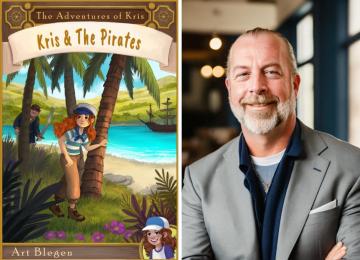
FEATURED AUTHOR - Art Blegen is the author of “The Adventures of Kris”, a series of early middle-grade chapter books for young readers from six to ten years old. Each child is important, and each family matters to Art. He is an advocate for educating children and their parents to ensure they have a healthy balance of positive examples in their lives. Wholesome stories and a healthy imagination can lay the foundation they will use for the rest of their lives. Whether playing with his grandchildren or coaching… Read more