
On Horsemanship
On Horsemanship
 Free Download
(tr H.G. Dakyns)
Book Excerpt
as they are the columns on which the body rests; thick in themselves, that is, not puffed out with veins or flesh; or else in riding over hard ground they will inevitably be surcharged with blood, and varicose conditions be set up,[13] the legs becoming thick and puffy, whilst the skin recedes; and with this loosening of the skin the back sinew[14] is very apt to start and render the horse lame.
[12] i.e. "the metacarpals and metatarsals."
[13] Or, "and become varicose, with the result that the shanks swell whilst the skin recedes from the bone."
[14] Or, "suspensory ligament"? Possibly Xenophon's anatomy is wrong, and he mistook the back sinew for a bone like the fibula. The part in question might intelligibly enough, if not technically, be termed {perone}, being of the brooch-pin order.
If the young horse in walking bends his knees flexibly, you may safely conjecture that when he comes to be ridden he will have flexible legs, since the quality of suppleness invariably increases
FREE EBOOKS AND DEALS
(view all)





Popular books in Essays, Fiction and Literature







More books by Xenophon
(view all)







Readers reviews
4.0
LoginSign up

I found the details on armour particularly interesting. And apparently the Greeks didn’t shoe their horses. I never knew that. I really know nothing about horses but there’s lot that would be of interest to a modern horse handler. I don’t know if methods are still the same today. He held my attention and I have really no inherent interest in horses.
- Upvote (0)
- Downvote (0)
Popular questions
(view all)Books added this week
(view all)
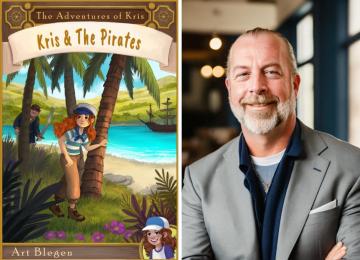
FEATURED AUTHOR - Art Blegen is the author of “The Adventures of Kris”, a series of early middle-grade chapter books for young readers from six to ten years old. Each child is important, and each family matters to Art. He is an advocate for educating children and their parents to ensure they have a healthy balance of positive examples in their lives. Wholesome stories and a healthy imagination can lay the foundation they will use for the rest of their lives. Whether playing with his grandchildren or coaching… Read more